

Root Canal Treatment
What is a root canal?
A root canal is one of the most common dental procedures performed, well over 14 million every year. This simple treatment can save your natural teeth and prevent the need of dental implants or bridges.
At the center of your tooth is pulp. Pulp is a collection of blood vessels, nerves and tissue that helps to build the surrounding tooth during tooth development. Infection of the pulp can be caused by trauma to the tooth, deep decay, cracks and chips, or repeated dental procedures.
Symptoms of the inflammation/infection can be identified as visible injury or swelling of the tooth, sensitivity to temperature or pain in the tooth and gums.
If you experience any of these symptoms, your dentist will most likely recommend root canal treatment and refer you to a specialist. The root canal removes the tissue that is either inflamed (causing hot/cold) or infected (causing bite-pain, swelling).This injured pulp is removed and the root canal system is thoroughly cleaned and sealed.
Root canal therapy involves local anesthesia to profoundly numb the area and may be completed in one or more visits depending on the treatment required.
Root canal treatment success is 95%. If your tooth cannot be saved with endodontic treatment or the chance of success is unfavorable, this will be discussed the time of consultation or if a issue is encountered during or after treatment.
Dr. Jensen, Dr. Wirig, Dr. Talebi and Dr. Dadvand use local anesthesia to eliminate discomfort. In addition, we can provide nitrous oxide analgesia, oral sedation, weighted blankets, noise cancelling head phones if requested. You will be able to drive home after your treatment if not orally sedated, and you will be comfortable returning to your normal routine.
Do You Have Any Questions About Your Root Canal Or Other Endodontic Procedure?
Call us!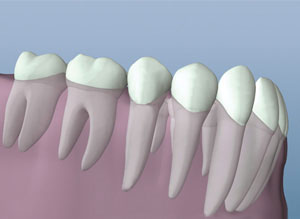
Healthy Tooth
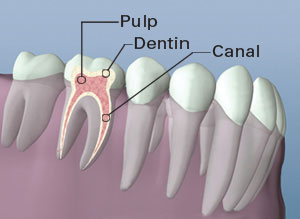
Tooth Anatomy
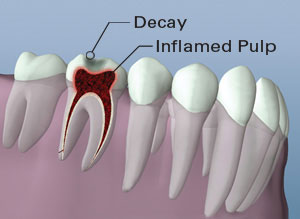
Inflammation
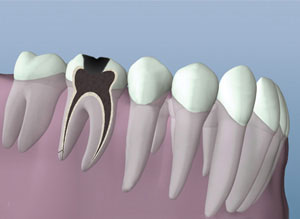
Cleaned Canals
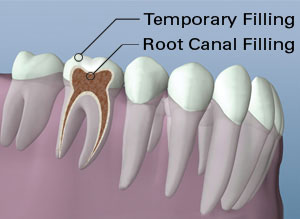
Filling Placed
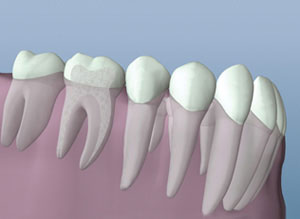
Healed Tooth
Endodontic Presentation
To provide you with a better understanding of endodontic procedures, we have provided the following multimedia presentation. Many common questions pertaining to root canal therapy are discussed.
What happens after treatment?
When your root canal therapy has been completed, a report of your treatment will be sent to your restorative dentist.
You should contact their office for a follow-up restoration within a few weeks of completion at our office. Your restorative dentist will decide on what type of restoration is necessary to protect your tooth.
There is about 5-10% chance of having a post-treatment flare-up after treatment. If this happens, it will cause pain and possibly swelling. We would treat this with antibiotics and medication to help with pain management. Post-treatment flare-ups did not impact the long term prognosis of the treatment. If this or any issue arises after treatment, we are available at all times to respond.
How much will a root canal cost?
The cost associated with root canals can vary depending on factors such as the type of tooth and damage to the affected tooth. In general, endodontic treatment is much less expensive than tooth removal and replacement with an artificial tooth.